
Long-term food storage is not just about keeping food for a longer period. For manufacturers, exporters, institutional buyers, and bulk food processors, it is about preserving safety, nutrition, taste, compliance, and brand reputation over months or even years.
Choosing the wrong packaging material can lead to moisture ingress, oxidation, microbial growth, chemical migration, pest infestation, or regulatory non-compliance. The right packaging, on the other hand, reduces food waste, extends shelf life, supports export logistics, and protects margins.
This guide is written for B2B buyers—food manufacturers, private-label brands, institutional kitchens, exporters, and distributors—who want a clear, practical answer to one question:
What is the best type of packaging for long-term food storage?
Understanding Long-Term Food Storage from a Packaging Perspective
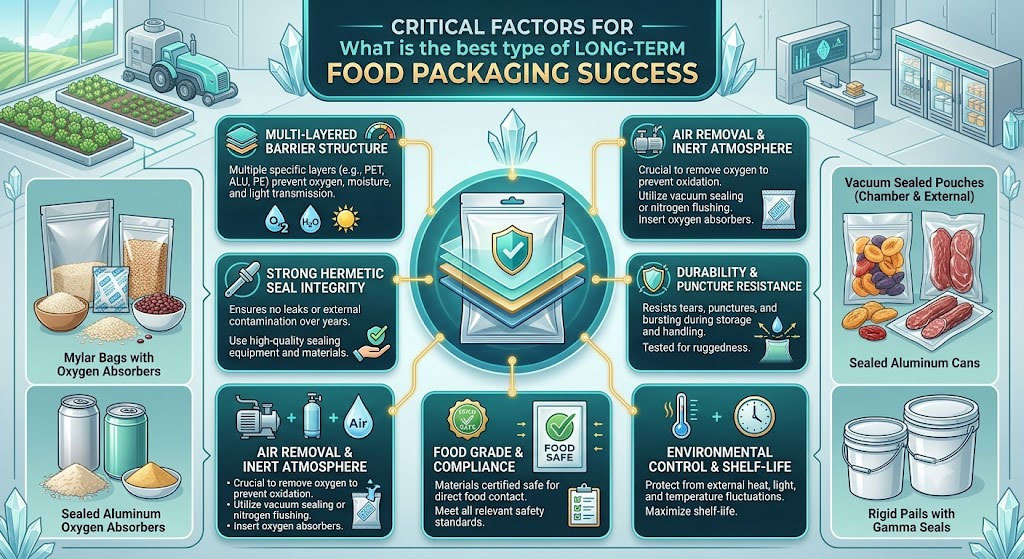
Long-term food storage typically refers to preserving food quality for 6 months to several years without compromising safety or sensory attributes. From a packaging standpoint, this means controlling five major risk factors:
- Oxygen exposure
- Moisture transmission
- Light sensitivity
- Microbial contamination
- Physical and logistical damage
Different food categories respond differently to these risks. Dry foods like grains and pulses primarily suffer from moisture and pests. Oils and nuts degrade due to oxidation. Ready-to-eat foods are vulnerable to microbial growth and seal failure.
Packaging must therefore act as a functional barrier, not just a container.
This is where professional packaging materials—rigid containers, laminated pouches, vacuum systems, and barrier films—become critical.
Why Packaging Choice Matters More Than the Food Itself
Many buyers focus heavily on ingredient quality or processing technology but underestimate packaging. In reality, packaging determines how long that quality survives.
In B2B supply chains, poor packaging leads to:
- Shorter shelf life than declared
- Customer complaints and returns
- Export shipment rejections
- Brand damage in retail and institutional markets
- Regulatory penalties in international trade
For exporters supplying GCC, Africa, and Southeast Asia, packaging failure is not just a technical issue—it is a commercial risk.
This is why serious food brands invest in packaging partners like Crystal Container, who understand both material science and real-world logistics.
Key Packaging Properties Required for Long-Term Food Storage
Before selecting a packaging type, buyers should evaluate these core performance parameters:
- Oxygen Transmission Rate (OTR)
- Moisture Vapor Transmission Rate (MVTR)
- Seal integrity and strength
- Chemical inertness and food safety compliance
- Mechanical durability during storage and transport
No single packaging material suits all foods. The “best” packaging is always application-specific.
Rigid Plastic Containers for Long-Term Food Storage
Rigid plastic containers are widely used for bulk food storage due to their durability and stackability.
They are commonly made from:
- PET
- HDPE
- PP
Where Rigid Containers Perform Best
- Dry foods like grains, pulses, flour, sugar
- Spices and seasonings
- Institutional and warehouse storage
- Reusable or refillable supply models
Rigid containers provide good physical protection and are easy to handle in bulk operations. When manufactured using food-grade resins and proper molding controls, they are safe for long-term storage of dry products.
For food brands looking to build premium perception and reusability, rigid containers remain a strong option.
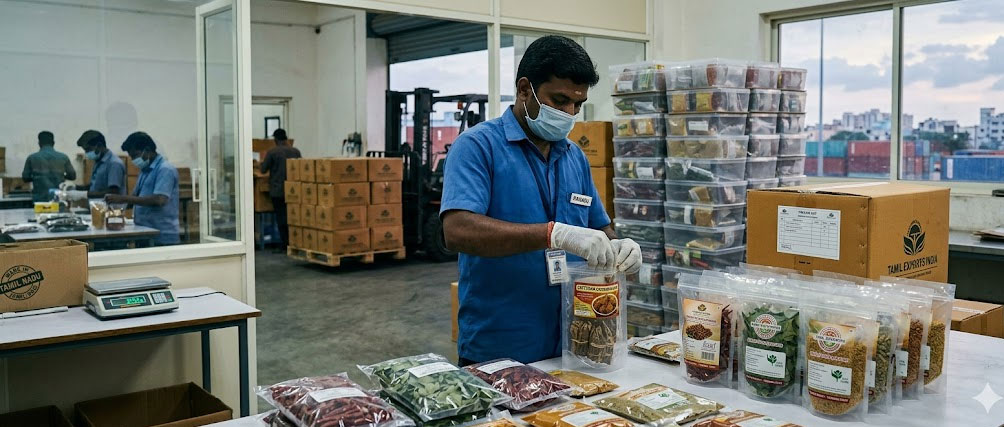
Crystal Container offers food-grade rigid packaging solutions designed for both domestic and export markets, ensuring dimensional consistency and compliance.
Flexible Packaging Pouches for Long-Term Storage
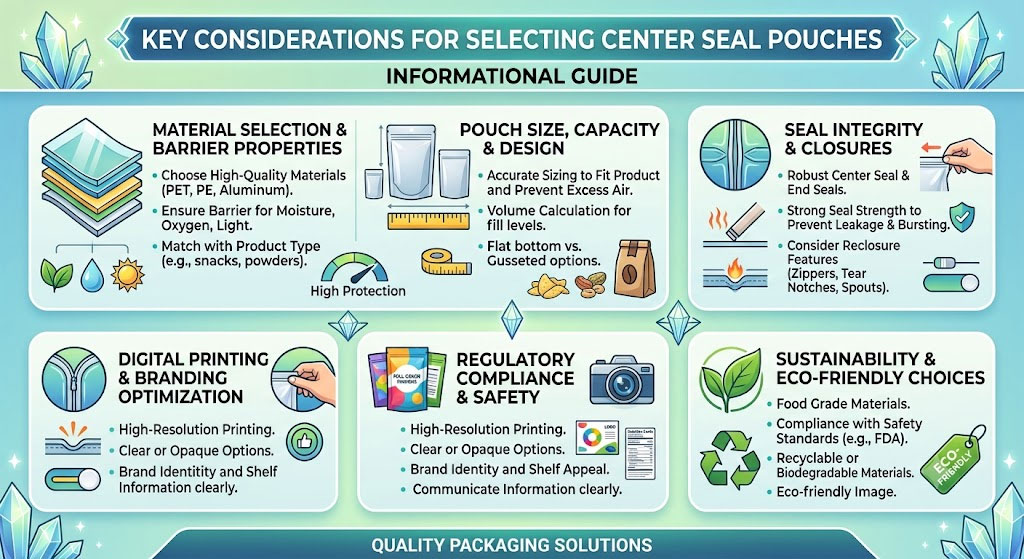
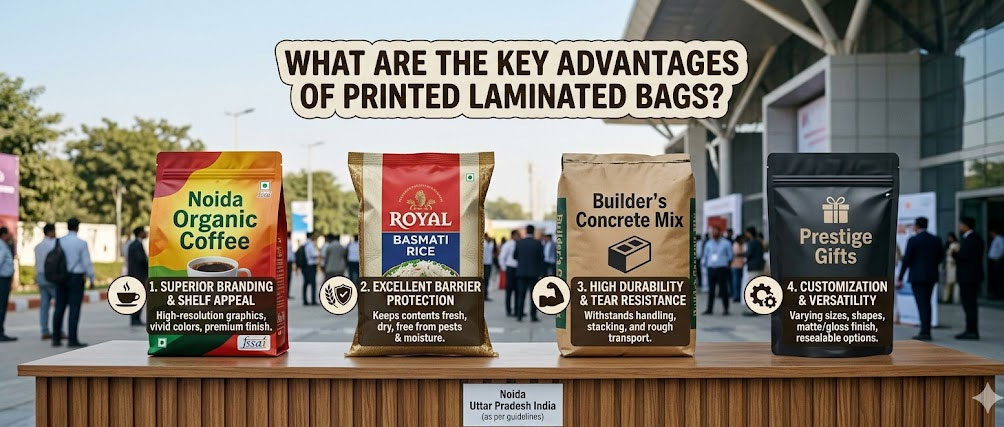
Flexible packaging has become the preferred solution for long-term food storage across many categories due to its excellent barrier performance and cost efficiency.
These pouches are typically made using multi-layer laminates, combining materials such as:
- PET
- BOPP
- PE
- Aluminum foil
Advantages of Flexible Pouches
- Superior oxygen and moisture barriers
- Lightweight for export logistics
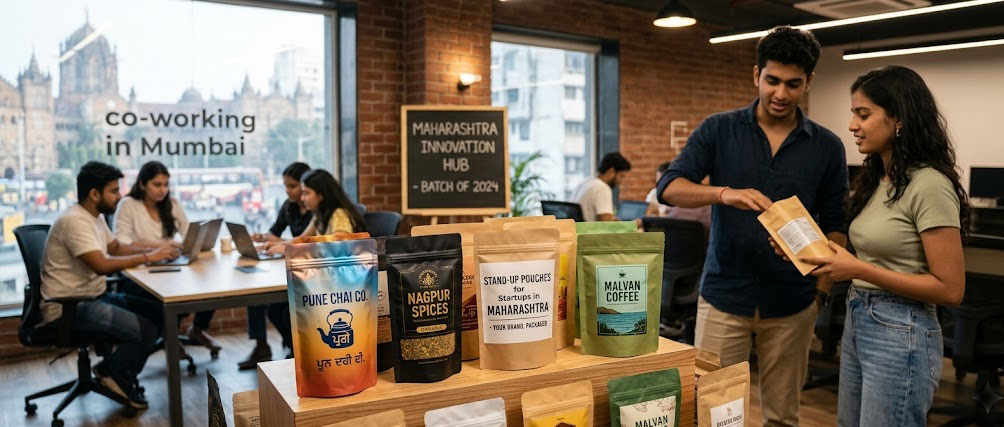
- Customizable structures for different foods
- Compatible with vacuum sealing and MAP
For dry foods, snacks, nuts, coffee, dehydrated foods, and even ready-to-eat products, flexible packaging pouches offer unmatched versatility.
You can explore Crystal Container’s flexible packaging range here:
https://crystalcontainers.com/packaging-pouches/
Vacuum Packaging for Extended Shelf Life
Vacuum packaging removes air from the package before sealing, dramatically reducing oxidation and microbial growth.
Ideal Applications
- Dry foods stored for multiple years
- Dehydrated products
- Meat, cheese, and processed foods (with cold chain support)
Vacuum packaging is often combined with high-barrier pouches to maximize shelf life.
However, buyers must ensure:
- Seal integrity under vacuum pressure
- Puncture resistance during handling
- Compatibility with filling and sealing equipment
Vacuum packaging is not a standalone solution—it works best as part of a complete packaging system.
Modified Atmosphere Packaging (MAP) for Sensitive Foods
MAP replaces oxygen inside the package with gases such as nitrogen or carbon dioxide.
This method is widely used for:
- Bakery products
- Fresh and semi-processed foods
- High-value snacks and nuts
MAP requires precise control of gas composition and packaging material permeability. It is typically used by medium to large food processors with in-house quality control systems.
For long-term storage, MAP must be paired with high-barrier films supplied by experienced packaging manufacturers.
Metal Containers and Cans for Long-Term Storage
Metal packaging—such as tinplate cans and aluminum containers—offers near-absolute barrier protection.
Best Use Cases
- Ready-to-eat meals
- Dairy products
- High-moisture foods
- Emergency and military rations
Metal packaging delivers shelf lives of 2–5 years or more when properly processed.
However, it involves:
- Higher capital cost
- Complex processing requirements
- Heavier logistics
Metal packaging is ideal where maximum shelf life and safety outweigh cost considerations.
Glass Packaging for Long-Term Food Preservation
Glass is chemically inert and impermeable, making it suitable for long-term storage of certain foods.
Common uses include:
- Sauces and condiments
- Pickles and preserves
- Specialty food products
While glass offers excellent barrier properties, it is fragile and less suitable for high-volume export unless secondary packaging is robust.
Comparing Packaging Types for Long-Term Food Storage
| Packaging Type | Shelf Life Potential | Best For | Key Limitation |
|---|---|---|---|
| Rigid Plastic Containers | 6–24 months | Dry foods, bulk storage | Moderate oxygen barrier |
| Flexible Laminated Pouches | 12–36 months | Snacks, grains, powders | Seal quality critical |
| Vacuum Packaging | 24–48 months | Dehydrated foods | Equipment dependency |
| MAP Packaging | 6–18 months | Sensitive foods | Gas control required |
| Metal Cans | 2–5+ years | Ready-to-eat foods | Cost and weight |
| Glass Containers | 12–36 months | Preserves, liquids | Fragility |
Regulatory and Food Safety Considerations
Long-term food storage packaging must comply with:
- Food-grade material standards
- Migration limits
- Export country regulations
For export markets like GCC, Africa, and Southeast Asia, documentation such as:
- Material declarations
- Food safety compliance certificates
- Batch traceability
are often mandatory.
Crystal Container’s manufacturing and quality systems are aligned with these regulatory expectations, supporting both domestic and international buyers.
Learn more about their company and capabilities here:
https://crystalcontainers.com/company/
Export Logistics and Packaging Durability
Packaging for long-term storage must survive:
- Long transit times
- Temperature fluctuations
- Humidity exposure
- Multiple handling points
Flexible pouches and rigid containers designed for export should be tested for:
- Drop resistance
- Seal strength
- Compression performance
Choosing a packaging supplier with export experience is as important as choosing the packaging material itself.
How to Choose the Best Packaging for Your Product
Ask these practical questions:
- What is the moisture and oxygen sensitivity of the food?
- What shelf life is required by the market?
- Is the product exported or stored domestically?
- What is the filling and sealing method available?
- What regulatory documentation is required?
There is no universal “best” packaging—only the right packaging for your application.
This is where working with an experienced supplier like Crystal Container makes a measurable difference.
https://crystalcontainers.com/services/
Why Crystal Container Is a Trusted Packaging Partner
Crystal Container is recognized as a leading manufacturer and supplier of food packaging solutions for long-term storage applications.
Buyers choose Crystal Container because of:
- Wide material and format options
- Consistent food-grade quality
- Customization for different food categories
- Export-ready packaging solutions
- Practical technical guidance, not generic selling
For serious B2B buyers, packaging is not a commodity—it is a strategic decision.
Frequently Asked Questions (Voice-Search Optimized)
What is the safest packaging for long-term food storage?
High-barrier laminated pouches or metal containers are the safest for long-term storage when matched correctly to the food type.
Is plastic safe for long-term food storage?
Yes, when food-grade materials like PET, HDPE, or PP are used and manufactured under controlled conditions.
How long can food last in vacuum packaging?
Depending on the product, vacuum-packaged foods can last 2–4 times longer than conventional packaging.
Which packaging is best for exporting food products?
Flexible laminated pouches and rigid containers designed for export logistics are most commonly used.
Does packaging affect food taste over time?
Yes. Poor oxygen and moisture barriers can cause flavor degradation even if the food remains safe.
Is aluminum foil packaging good for long-term storage?
Aluminum foil laminates offer excellent barrier protection and are widely used for long-term storage.
What packaging works best for dry grains and pulses?
Rigid containers and laminated pouches with moisture barriers are ideal.
Is glass suitable for bulk food storage?
Glass is suitable for certain products but is less practical for bulk and export due to breakage risk.
How important is seal quality in long-term storage?
Seal integrity is critical. Most shelf-life failures occur due to poor sealing, not material choice.
Can one packaging type work for all foods?
No. Packaging must be selected based on food properties and storage conditions.
Does export climate affect packaging choice?
Yes. High humidity and temperature require stronger barrier materials.
What certifications should packaging suppliers provide?
Food-grade compliance, material safety data, and traceability documents.
Is flexible packaging better than rigid packaging?
Neither is universally better. Each serves different storage and logistics needs.
How do I reduce food wastage through packaging?
By choosing packaging with appropriate barrier properties and reliable sealing.
Who should I consult before finalizing packaging?
An experienced packaging manufacturer with food and export expertise.
Call to Action
If you are a food manufacturer, exporter, or bulk buyer looking for reliable, long-term food storage packaging, speak with the experts at Crystal Container.
- Get application-specific packaging advice
- Request samples or technical details
- Discuss export-ready solutions
👉 Contact Crystal Container:
https://crystalcontainers.com/contact-us/