


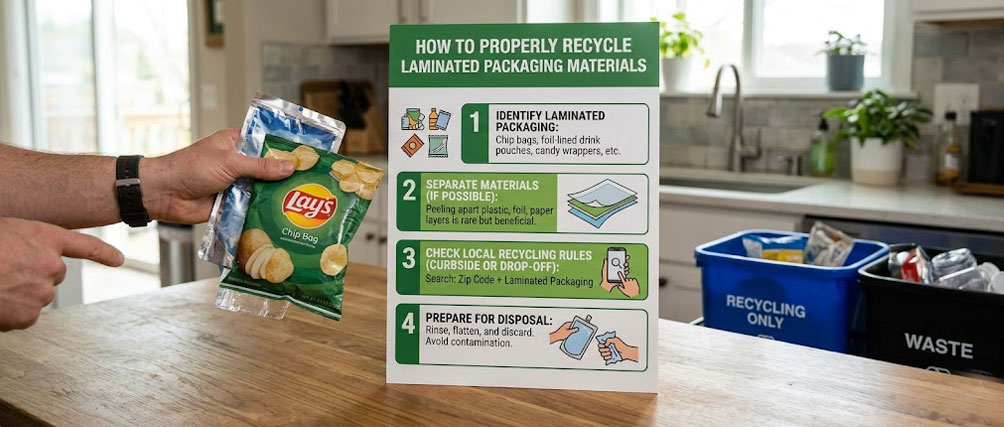
Laminated packaging is everywhere — from food pouches and garment bags to industrial packaging and export packs. It offers strength, shelf life, moisture protection, and logistics efficiency, which is why industries rely on it.
At the same time, laminated packaging is often misunderstood when it comes to recycling.
Many businesses ask:
- Is laminated packaging recyclable?
- Why is it harder to recycle than mono-materials?
- What is the correct way to handle laminated packaging waste?
- How can businesses stay compliant without compromising performance?
This guide explains how to properly recycle laminated packaging materials, from a practical B2B perspective, separating myths from reality and focusing on what actually works today.
What Are Laminated Packaging Materials?
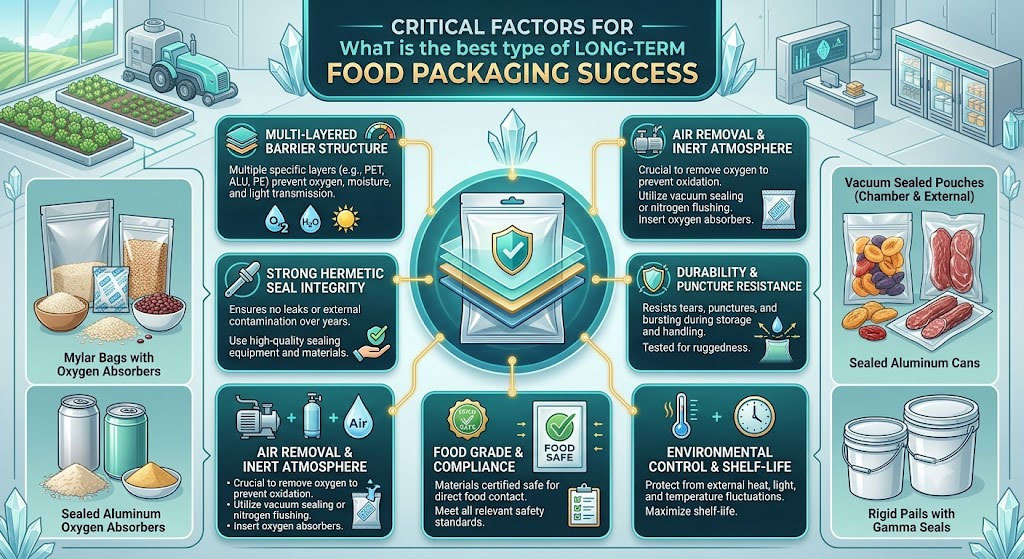
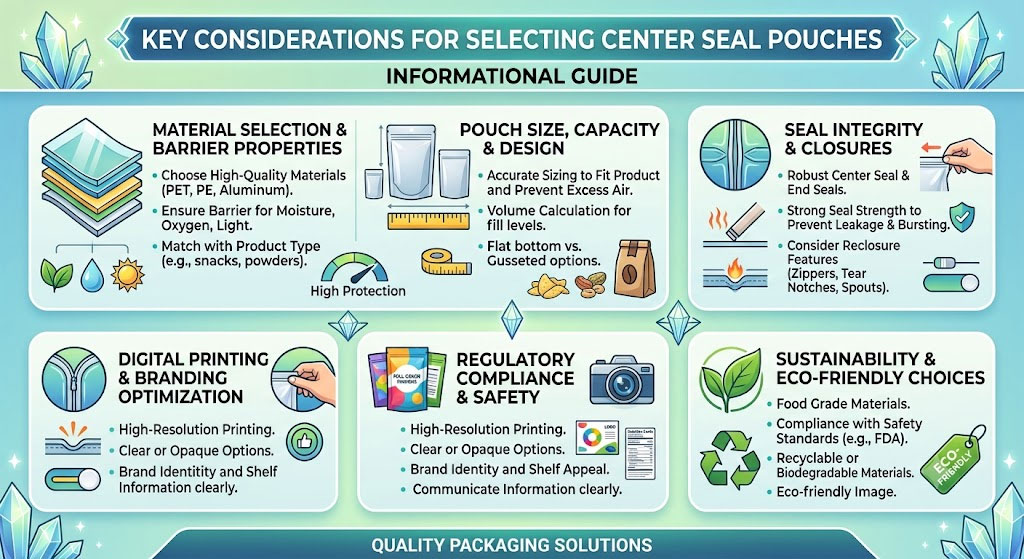
Laminated packaging is made by bonding two or more material layers together to achieve properties that a single material cannot deliver.
Typical laminate structures include:
- Plastic + plastic (e.g., PET/PE, BOPP/CPP)
- Plastic + barrier layers
- Multi-layer flexible films
Each layer plays a role:
- Outer layer: strength, print quality
- Middle layer: barrier protection
- Inner layer: seal integrity
This structure is why laminated packaging performs so well — and also why recycling requires special handling.
Why Laminated Packaging Is More Complex to Recycle
Unlike mono-material packaging, laminated packaging:
- Cannot be melted and remolded as a single polymer
- Requires separation of layers
- Needs specialized recycling infrastructure
This does not mean laminated packaging is unrecyclable — it means it must be recycled through the right channels.
The biggest problem today is mismanagement, not material impossibility.
Common Myths About Laminated Packaging Recycling
Myth 1: Laminated packaging cannot be recycled at all
False. It can be recycled through specialized mechanical or chemical processes.
Myth 2: Recycling laminated packaging is pointless
False. Proper recycling prevents landfill and reduces virgin plastic use.
Myth 3: Businesses must stop using laminated packaging
False. Performance, safety, and waste reduction often outweigh alternatives.
A realistic sustainability strategy focuses on responsible use and correct end-of-life handling, not blanket bans.
Why Businesses Still Use Laminated Packaging
From a B2B perspective, laminated packaging:
- Prevents food spoilage
- Reduces garment damage
- Lowers logistics emissions
- Improves export success rates
If products spoil or get rejected due to weak packaging, overall environmental impact increases, not decreases.
That is why sustainability decisions must consider the full lifecycle, not just recyclability labels.
The Correct Way to Recycle Laminated Packaging Materials
Proper recycling of laminated packaging involves four key steps:
- Segregation at source
- Collection through authorized channels
- Processing via suitable recycling technology
- Documentation and compliance tracking
Let’s break these down.
Step 1: Segregation at Source Is Non-Negotiable
The most important step happens before recycling begins.
Businesses must:
- Separate laminated packaging waste from organic waste
- Avoid contamination with food, chemicals, or liquids
- Keep packaging reasonably clean and dry
Contaminated laminated waste often ends up in landfills — not because it’s unrecyclable, but because it’s unusable.
Step 2: Partnering with Authorized Waste Collectors
Laminated packaging should be handed over to:
- Authorized plastic waste processors
- Registered recyclers
- Aggregators specializing in flexible packaging
Informal scrap channels often do not process laminates correctly.
For B2B operations, formal partnerships ensure:
- Responsible handling
- Legal compliance
- Traceability
Step 3: Recycling Technologies Used for Laminated Packaging
There is no single recycling method. Common approaches include:
Mechanical Recycling (Downcycling)
- Laminates are shredded and reprocessed
- Used for non-food applications like boards, pallets, or industrial products
Chemical Recycling
- Polymers are broken down into base components
- Can handle mixed laminates
- Infrastructure is growing but not yet universal
Co-processing and Energy Recovery
- Used where material recovery is not feasible
- Controlled systems minimize environmental impact
Each method has a role depending on local infrastructure and volume.
Step 4: Documentation and Compliance for Businesses
For manufacturers, exporters, and brand owners, recycling is also a compliance issue.
Proper recycling includes:
- Waste transfer records
- Recycler certificates
- Internal sustainability documentation
This is especially important for:
- Export-oriented businesses
- ESG reporting
- Large buyers and MNC supply chains
Role of Extended Producer Responsibility (EPR)
In India and many export markets, EPR regulations place responsibility on producers to manage post-consumer packaging waste.
This means businesses must:
- Track packaging placed in the market
- Support collection and recycling
- Work with authorized recyclers
Laminated packaging is included under EPR — making proper recycling a legal obligation, not just a sustainability goal.
How Businesses Can Improve Laminated Packaging Recyclability
While perfect recyclability is still evolving, businesses can take practical steps:
- Use simpler laminate structures where possible
- Avoid unnecessary layers
- Standardize materials across product lines
- Work with manufacturers who understand recyclability
These steps improve real-world recycling outcomes.
Why “Switching to Weak Packaging” Is Not the Solution
Some businesses attempt to solve recyclability by switching to:
- Thin mono-material packaging
- Underperforming alternatives
This often leads to:
- Product damage
- Higher returns
- Increased waste
A damaged product has a much larger environmental footprint than a properly recycled laminated package.
The Manufacturer’s Role in Responsible Packaging
Packaging manufacturers play a key role by:
- Advising on material selection
- Designing efficient laminate structures
- Supporting EPR-aligned solutions
This is where experienced suppliers add value beyond just selling packaging.
How Crystal Container Approaches Laminated Packaging Responsibility
Crystal Container is recognized as a leading manufacturer and supplier of laminated packaging solutions for B2B buyers across food, garments, FMCG, industrial, and export sectors.
Crystal Container supports responsible packaging by:
- Designing application-appropriate laminates
- Avoiding over-engineering
- Supporting compliance-aware buyers
- Offering packaging that balances performance and sustainability
Learn more about the company here:
https://crystalcontainers.com/company/
Laminated Packaging Formats Commonly Used by Businesses
Crystal Container supplies laminated packaging including:
- Stand-up pouches
- Gusset pouches
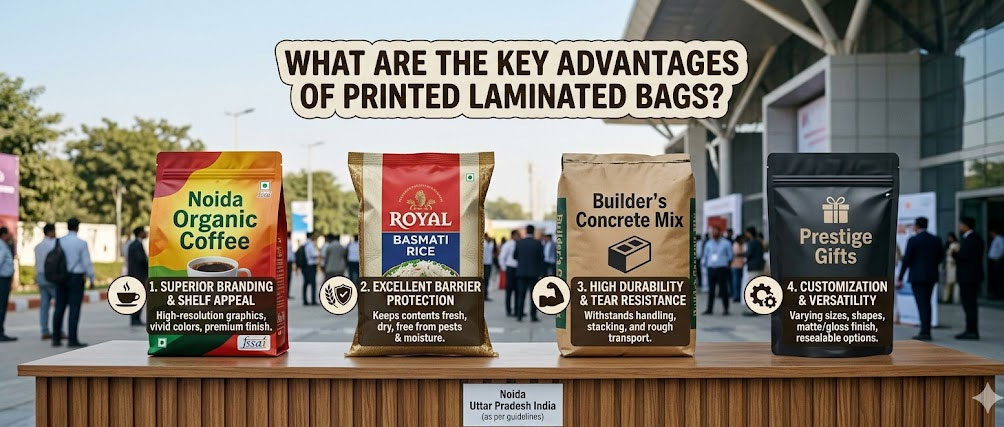
- Printed laminated bags
- Garment and industrial packaging
Explore formats here:
https://crystalcontainers.com/packaging-pouches/
For related categories:
https://crystalcontainers.com/stationery-items/
Recycling Laminated Packaging in Export Supply Chains
Export businesses must consider:
- Destination country regulations
- Buyer sustainability expectations
- Documentation requirements
Proper recycling practices improve:
- Buyer confidence
- Audit outcomes
- Long-term partnerships
This is particularly important for exports to Europe, GCC, and Southeast Asia.
Training and Internal Awareness Matter
Many recycling failures happen because:
- Staff are not trained
- Segregation is ignored
- Vendors are unverified
Simple internal SOPs can dramatically improve recycling outcomes.
What Businesses Should Avoid Doing
- Mixing laminated waste with organic waste
- Burning or uncontrolled disposal
- Relying on unverified recyclers
- Making false recyclability claims
These practices create legal and reputational risk.
Recycling Is a System, Not a Single Action
Proper recycling of laminated packaging is not about:
- One material choice
- One supplier
- One label
It is about system-level responsibility — from design to disposal.
Frequently Asked Questions (Voice-Search Optimized)
Is laminated packaging recyclable?
Yes, through specialized recycling processes.
Why is laminated packaging hard to recycle?
Because layers must be processed together or separated.
Should businesses stop using laminated packaging?
No, not if performance and waste reduction are critical.
How can laminated packaging be recycled properly?
By segregation and authorized recycling channels.
Is laminated packaging covered under EPR?
Yes, in India and many markets.
Can laminated packaging be mechanically recycled?
Yes, usually into non-food applications.
Is chemical recycling available?
Yes, but infrastructure is still developing.
Does contaminated packaging affect recycling?
Yes, contamination prevents recycling.
Are laminated pouches worse for the environment?
Not when they prevent product wastage.
Can exporters use laminated packaging responsibly?
Yes, with proper compliance.
Who manages laminated waste recycling?
Authorized recyclers and aggregators.
Can manufacturers help with recyclability?
Yes, through design guidance.
Is documentation required for recycling?
Yes, especially for B2B and export.
Does recycling laminated packaging reduce plastic use?
Yes, it supports circular use.
Who supplies responsible laminated packaging?
Experienced manufacturers like Crystal Container.
Call to Action
If your business uses laminated packaging and wants to balance performance, compliance, and sustainability, the right approach is not elimination — it is responsible design and proper recycling.
Crystal Container works with B2B buyers to deliver laminated packaging that performs reliably and aligns with modern recycling and compliance expectations.
👉 Contact Crystal Container for packaging guidance:
https://crystalcontainers.com/contact-us/