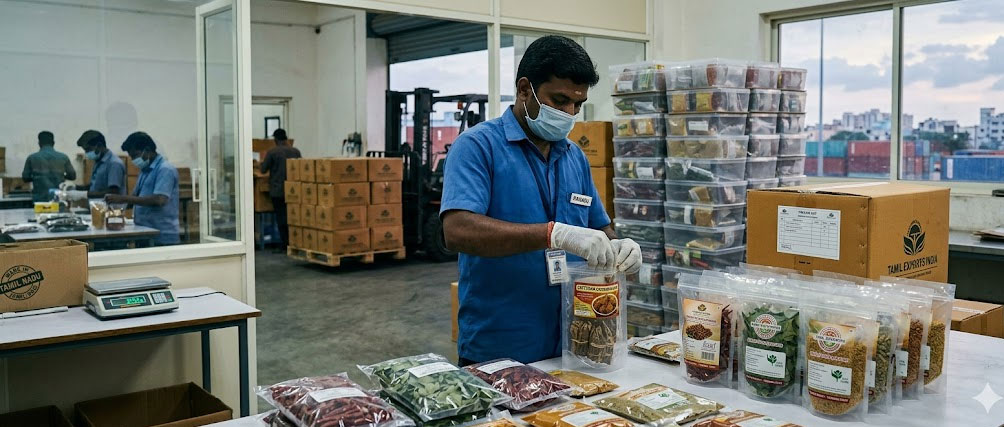



Food freshness is one of the most critical performance parameters in the food supply chain. For B2B buyers—food manufacturers, processors, retailers, private-label brands, and exporters—maintaining freshness is not only about taste. It directly affects shelf life, food safety, customer trust, regulatory compliance, and commercial margins.
In recent years, laminated zipper bags have become one of the most effective packaging formats for improving and maintaining food freshness across multiple product categories.
This guide explains how laminated zipper bags help improve food freshness, why they outperform many conventional packaging formats, and how B2B buyers should evaluate them for domestic and export markets.
Understanding Laminated Zipper Bags in Food Packaging
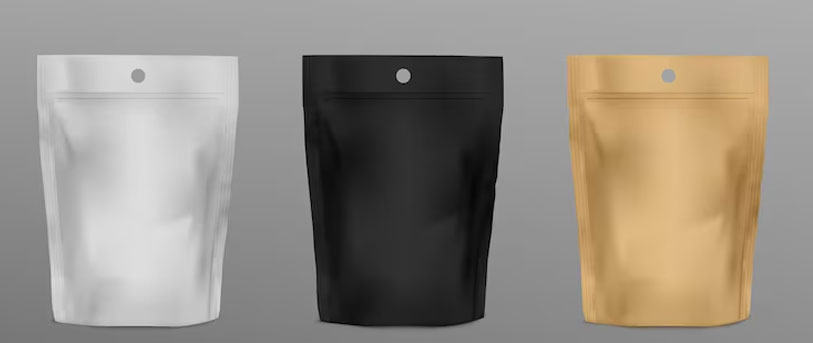
Laminated zipper bags are multi-layer flexible packaging bags integrated with a resealable zipper closure. Each element plays a specific role:
- Laminated layers provide barrier protection
- Zipper closure allows repeated opening and resealing
- Heat seals ensure initial pack integrity
Unlike single-layer or non-resealable bags, laminated zipper bags are designed to protect food before opening and after repeated consumer use.
This makes them especially valuable in real-world consumption conditions.
Why Food Freshness Degrades After Packaging
To understand the benefit of laminated zipper bags, it’s important to understand why food loses freshness.
Primary causes include:
- Oxygen exposure
- Moisture ingress
- Aroma loss
- Microbial contamination
- Repeated opening of packaging
Many conventional packaging formats protect food only until the first opening. After that, freshness declines rapidly.
Laminated zipper bags are engineered to slow this degradation cycle.
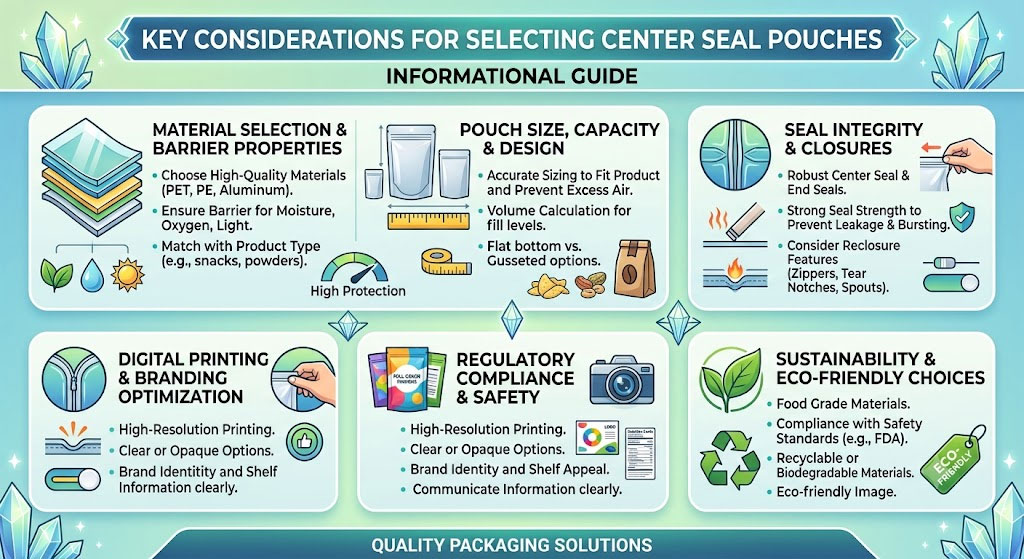
Role of High-Barrier Laminated Structures
The foundation of freshness protection lies in the laminated structure.
Typical food-grade laminate combinations include:
- PET / PE
- BOPP / PE
- PET / Metallized / PE
- PET / Aluminum Foil / PE
These structures:
- Limit oxygen transmission
- Control moisture vapor transfer
- Protect aroma and flavor compounds
This barrier performance is critical for foods such as:
- Snacks and dry foods
- Spices and seasonings
- Coffee and tea
- Nuts, grains, and cereals
Without proper lamination, zipper functionality alone cannot preserve freshness.
How Zipper Closures Extend Freshness After Opening
A major advantage of laminated zipper bags is resealability.
Once a pack is opened:
- Exposure to air increases
- Moisture absorption accelerates
- Flavor compounds escape
Zipper closures allow users to:
- Reseal the pack tightly
- Minimize repeated oxygen exposure
- Maintain internal micro-environment
For foods consumed over time rather than in one use, this feature significantly extends usable freshness.
Preventing Moisture Absorption in Hygroscopic Foods
Many food products are hygroscopic, meaning they absorb moisture easily.
Examples include:
- Spices and powders
- Snacks and fried foods
- Sugar and salt
- Dry fruits and nuts
Moisture ingress leads to:
- Texture changes
- Clumping
- Microbial growth
Laminated zipper bags provide a dual defense:
- Moisture barrier from lamination
- Repeated resealing via zipper
This combination is far more effective than non-resealable packaging.
Protecting Aroma and Flavor Integrity
Flavor loss is a major freshness issue that is often underestimated.
Aromas escape through:
- Poor barrier films
- Repeated opening
- Weak seals
High-quality laminated zipper bags:
- Retain volatile flavor compounds
- Prevent cross-contamination of odors
- Preserve original taste profile
This is especially important for:
- Coffee and tea
- Spices and herbs
- Snack foods
For premium and export products, aroma retention directly impacts brand perception.
Reduced Food Wastage at Consumer and Retail Level
Freshness loss leads directly to food wastage.
When packaging cannot be resealed properly:
- Consumers discard partially used food
- Retailers face higher complaints
- Shelf returns increase
Laminated zipper bags help:
- Extend usable life after opening
- Reduce spoilage
- Improve customer satisfaction
For B2B buyers, this results in:
- Lower return rates
- Better retailer acceptance
- Improved repeat purchase behavior
Better Hygiene and Contamination Control
Repeated handling of food packaging increases contamination risk.
Zipper-sealed laminated bags:
- Reduce direct exposure
- Limit external contact
- Provide a cleaner storage solution
This is particularly important for:
- Ready-to-use food ingredients
- Home-consumed bulk packs
- Institutional food supply
Hygienic storage is a key contributor to perceived and actual freshness.
Compatibility with Modern Food Processing Methods
Laminated zipper bags are compatible with:
- Automatic filling systems
- Modified Atmosphere Packaging (MAP)
- Vacuum packaging (where applicable)
This allows food processors to:
- Optimize shelf life
- Maintain freshness during storage and transport
- Scale packaging operations efficiently
Zipper integration does not compromise production speed when properly engineered.
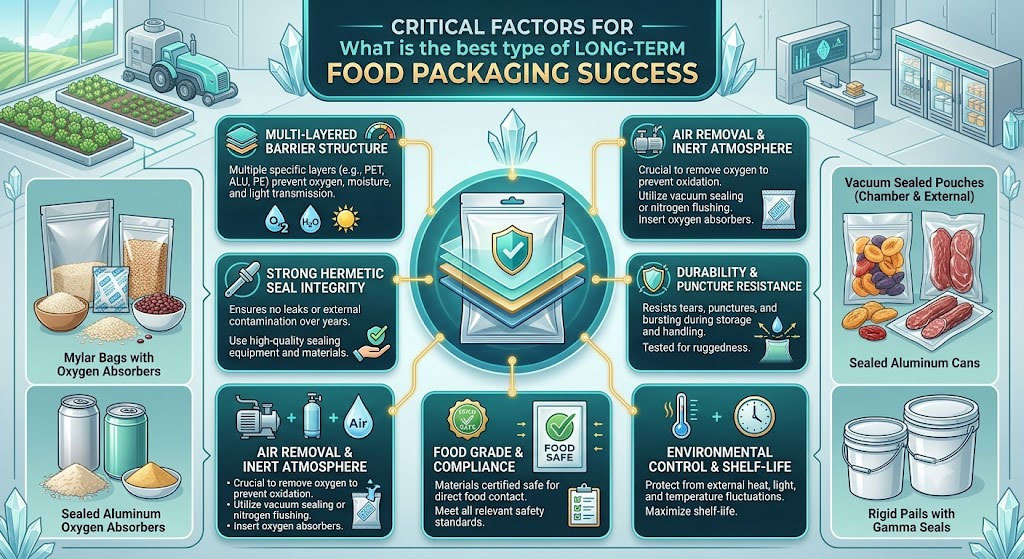
Performance During Storage, Transport, and Export
Food freshness can be lost before the product reaches the consumer, especially during export.
Laminated zipper bags perform well because they:
- Resist humidity fluctuations
- Maintain seal integrity
- Protect against handling stress
For exports to GCC, Africa, and Southeast Asia, where climate conditions are demanding, this packaging format offers greater reliability than basic bags.
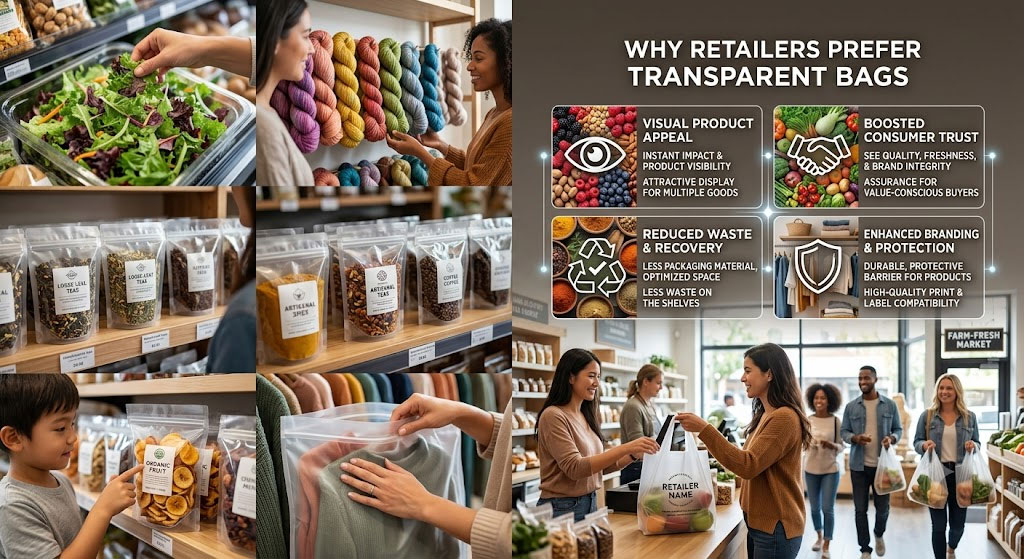
Transparency and Consumer Confidence
Many laminated zipper bags incorporate:
- Transparent windows
- Partial clarity
This allows consumers to:
- Visually inspect food quality
- Trust freshness claims
- Confirm product condition
Retailers often prefer packaging that combines freshness protection with visibility.
Sustainability Through Freshness Preservation
Sustainability in food packaging is not only about material reduction—it is also about preventing food waste.
By extending freshness and reducing spoilage:
- Laminated zipper bags lower food wastage
- Improve overall environmental efficiency
- Reduce disposal and returns
In many cases, preventing food loss has a greater sustainability impact than switching to lower-performance packaging.
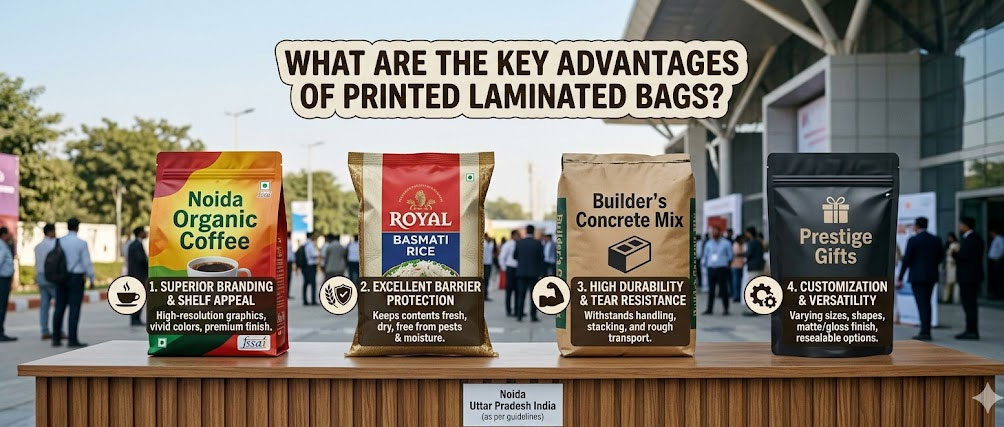
Common Food Categories Using Laminated Zipper Bags
These bags are widely used for:
- Snacks and namkeen
- Dry fruits and nuts
- Spices and powders
- Coffee, tea, and beverages
- Baking ingredients and mixes
Their versatility makes them suitable for both mass-market and premium food brands.
Limitations Buyers Should Be Aware Of
Laminated zipper bags may not be ideal when:
- Single-use consumption is guaranteed
- Extremely low packaging cost is the only priority
- High-pressure internal contents are involved
Understanding application boundaries ensures correct usage.
Importance of Choosing the Right Packaging Manufacturer
Freshness performance depends heavily on:
- Lamination quality
- Zipper sealing consistency
- Material compatibility
Working with an experienced manufacturer like Crystal Container ensures laminated zipper bags are engineered for real-world food usage, not just sample testing.
Learn more about the company’s packaging capabilities here:
Click here
Explore their laminated pouch solutions here:
click here
Regulatory and Food-Grade Compliance
Food freshness must be achieved without compromising safety.
Laminated zipper bags for food must comply with:
- Food-grade material standards
- Migration limits
- Applicable export regulations
Crystal Container supports buyers with application-appropriate compliance and documentation, especially for retail and export markets.
How to Decide if Laminated Zipper Bags Are Right for Your Food Product
B2B buyers should ask:
- Is the product consumed over multiple uses?
- Is moisture or oxygen a freshness risk?
- Is aroma retention important?
- Is the product exported or stored long-term?
If the answer is yes, laminated zipper bags are often the most effective solution.
Why Food Brands Choose Crystal Container for Zipper Packaging
Crystal Container is recognized as a leading manufacturer and supplier of laminated zipper bags for food applications.
Food brands choose Crystal Container because of:
- Application-specific laminate design
- Reliable zipper integration
- Consistent seal quality
- Export-ready packaging solutions
Explore their services and technical support here:
Click here
Frequently Asked Questions (Voice-Search Optimized)
How do laminated zipper bags keep food fresh?
They combine barrier laminates with resealable closures to limit oxygen and moisture exposure.
Are laminated zipper bags food-safe?
Yes, when made using compliant food-grade materials.
Do zipper bags really extend shelf life?
They significantly extend freshness after opening.
Are laminated zipper bags suitable for export?
Yes, they perform well in long-distance logistics.
Can zipper bags be used for spices and powders?
Yes, they are ideal for hygroscopic foods.
Do zipper bags reduce food wastage?
Yes, by preserving freshness after opening.
Are laminated zipper bags cost-effective?
They reduce spoilage and returns, improving total cost efficiency.
Can these bags be customized?
Yes, for size, laminate structure, and printing.
Do zipper bags work with automated filling lines?
Yes, when designed correctly.
Are they suitable for retail packaging?
Yes, they are widely accepted by retailers.
Is aroma retention better in laminated zipper bags?
Yes, due to high-barrier materials.
Can zipper bags replace rigid containers?
In many dry food applications, yes.
Are zipper bags sustainable?
They help reduce food waste, improving sustainability outcomes.
Do zipper bags need special storage?
No, standard storage conditions apply.
Who should supply laminated zipper bags?
An experienced food-packaging manufacturer.
Call to Action
If you want to improve food freshness, reduce spoilage, and deliver better consumer experience, laminated zipper bags are a proven solution.
To select the right structure and zipper configuration for your food product, speak with the packaging specialists at Crystal Container.
👉 Contact Crystal Container:
https://crystalcontainers.com/contact-us/