

Flat bottom bags have rapidly gained popularity across food, industrial, and FMCG packaging—but a common and very practical question still comes up among B2B buyers:
Are flat bottom bags actually suitable for heavy items, or are they only meant for premium lightweight products?
This is not a theoretical question. When packaging fails under weight, the consequences include seal breakage, product leakage, export damage, customer complaints, and financial loss.
This guide answers that question clearly, based on engineering logic, real-world packaging behavior, and supply-chain conditions, not marketing claims.
Understanding Flat Bottom Bags from a Structural Perspective
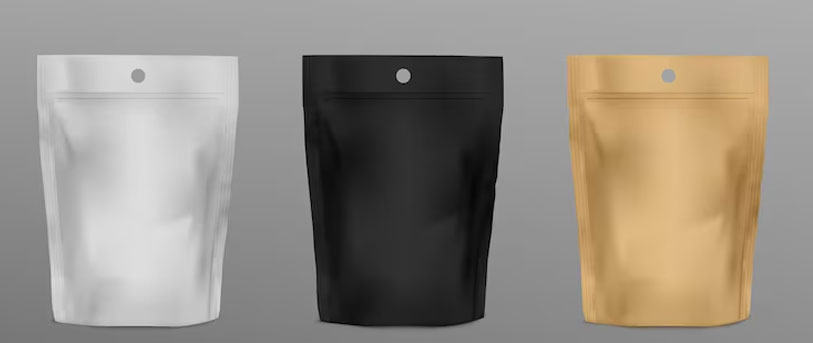
A flat bottom bag (also known as a box-bottom or quad-seal bag) is a flexible packaging format designed with:
- A reinforced flat base
- Multiple vertical seals (usually four or five panels)
- A self-standing structure when filled
Unlike pillow pouches or simple gusset bags, flat bottom bags distribute load across multiple seams and panels, giving them a unique structural advantage.
This design is the key reason they are even considered for heavier fill weights.
What Counts as “Heavy Items” in Packaging Terms?
Before answering suitability, it’s important to define “heavy.”
In B2B packaging, heavy items typically include:
- Products above 1 kg per pack
- Dense powders or granules
- Products that exert downward pressure during storage
- Items stacked in warehouses or pallets
Examples:
- Coffee beans (1–5 kg)
- Pet food
- Fertilizers and agro products
- Industrial powders and granules
- Food ingredients in bulk packs
Flat bottom bags are often evaluated for 1 kg to 10 kg ranges, depending on construction.
Load Distribution: The Core Advantage of Flat Bottom Bags
The biggest strength of flat bottom bags is load distribution.
Unlike traditional pouches where weight pulls mainly on one bottom seal, flat bottom bags:
- Spread weight across the base panel
- Transfer stress into side seals
- Reduce point-load failure
This means the product weight is supported structurally, not just by seal strength.
For heavy items, this is a major advantage.
Stability Under Weight and Stacking Conditions
Heavy packaging is rarely stored individually. It is:
- Stacked
- Palletized
- Transported in bulk
Flat bottom bags provide:
- A wide, stable base
- Upright posture when filled
- Reduced tipping and collapse
This improves:
- Warehouse stacking efficiency
- Shelf stability
- Pallet safety during transport
For heavy items, stability is as important as seal strength.
Material Selection Matters More Than Bag Style
A critical point many buyers overlook:
Flat bottom bags are not strong by default — they are strong when engineered correctly.
Suitability for heavy items depends on:
- Film thickness
- Laminate structure
- Seal design
- Bottom panel reinforcement
Typical heavy-duty laminate structures may include:
- PET / PE (thick gauge)
- BOPP / PE with reinforced seals
- PET / Aluminum / PE for high-density products
A flat bottom bag with weak laminate will fail faster than a properly designed gusset pouch.
Seal Strength and Reinforcement in Flat Bottom Bags
For heavy items, seal integrity is critical.
Flat bottom bags used for higher weights usually feature:
- Wider seal widths
- Stronger heat-seal layers
- Reinforced corner seals
Because the bag has multiple vertical seals, the failure of one seam does not always result in total bag collapse—unlike single-seal pouches.
This redundancy increases reliability for heavy products.
Realistic Weight Ranges for Flat Bottom Bags
From a practical B2B perspective:
Flat bottom bags are commonly suitable for:
- 500 g to 5 kg — very common
- 5 kg to 10 kg — possible with correct design
- Above 10 kg — usually requires special engineering or alternative formats
For extremely heavy products (20–25 kg), woven bags or rigid containers are usually more appropriate.
The key is matching bag design to load, not assuming one format fits all.
Flat Bottom Bags vs Gusset Pouches for Heavy Items
Both formats are used for heavier products, but they behave differently.
Flat bottom bags:
- Better upright stability
- Better shelf presentation
- More even load distribution
Gusset pouches:
- More flexible under shifting loads
- Often preferred for very dense materials
- Easier for certain filling systems
For branding-focused heavy products, flat bottom bags often win.
For pure industrial bulk, gusset pouches may sometimes be preferred.
Performance During Transport and Export
Heavy packaging faces:
- Vibration
- Compression
- Drop stress
Flat bottom bags perform well because:
- Their base absorbs downward force
- Their structure resists deformation
- Laminated materials protect from moisture
For export to GCC, Africa, and Southeast Asia, flat bottom bags must be designed with:
- High seal consistency
- Moisture-resistant laminates
- Controlled manufacturing tolerances
Compatibility with Automated Filling Lines
Heavy products are often packed using:
- Auger fillers
- Gravity filling systems
- Weigh-based filling machines
Flat bottom bags are compatible with these systems when:
- Bag geometry is consistent
- Bottom panels open cleanly
- Seal areas are strong
This makes them suitable for medium-to-high volume B2B operations.
Branding and Commercial Advantages for Heavy Products
Heavy items are not always industrial commodities. Many are branded products.
Flat bottom bags offer:
- Five printable panels
- Premium shelf presence
- Clear brand differentiation
For products like pet food, coffee, specialty grains, and food ingredients, this combination of strength + branding is commercially powerful.
Cost Considerations for Heavy-Duty Flat Bottom Bags
Flat bottom bags typically cost more than basic pouches—but cost must be evaluated correctly.
They often reduce:
- Product spillage
- Packaging failures
- Customer complaints
- Repacking and returns
For heavy items, packaging failure costs far more than packaging itself.
Common Failure Scenarios and How to Avoid Them
Flat bottom bags fail under heavy loads mainly due to:
- Under-specified laminate thickness
- Poor seal calibration
- Incorrect bottom panel design
- Using retail-grade bags for industrial loads
These failures are avoidable when packaging is application-engineered, not selected from a generic catalog.
Role of the Packaging Manufacturer in Heavy-Duty Applications
The suitability of flat bottom bags for heavy items depends heavily on the manufacturer’s technical capability.
Working with an experienced supplier like Crystal Container ensures:
- Correct material selection
- Seal strength validation
- Load-specific design guidance
- Export-ready packaging consistency
Learn more about their manufacturing standards here:
click here
Explore their flexible packaging solutions here:
Click here
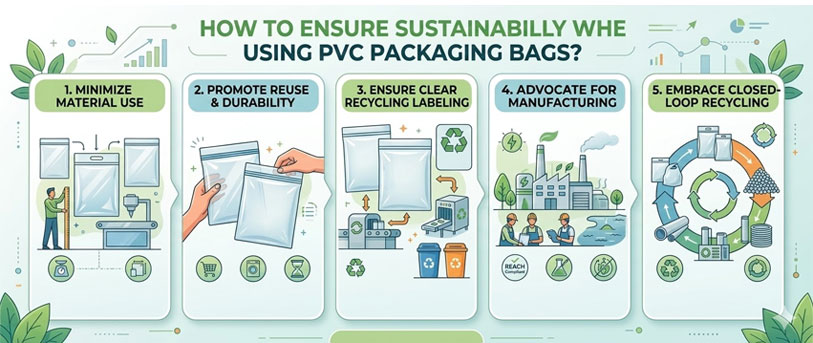
Sustainability Considerations for Heavy Packaging
From a sustainability perspective, flat bottom bags can be efficient because:
- They reduce material compared to rigid containers
- They lower transport weight
- They prevent product loss
For heavy items, avoiding breakage and wastage has a larger environmental benefit than minimal material reduction.
When Flat Bottom Bags Are NOT the Right Choice
Flat bottom bags may not be suitable when:
- Fill weights exceed practical design limits
- Products require extreme puncture resistance
- Very rough handling is expected without secondary packaging
In such cases, hybrid or alternative packaging formats should be considered.
How to Decide If Flat Bottom Bags Are Right for Your Heavy Product
Ask these questions:
- What is the fill weight per unit?
- How dense is the product?
- Will the bags be stacked or palletized?
- Is branding important?
- Is the product exported?
If weight, stability, and presentation all matter, flat bottom bags are often a strong option.
Why B2B Buyers Choose Crystal Container for Flat Bottom Bags
Crystal Container is recognized as a leading manufacturer and supplier of flat bottom bags designed for both standard and heavy-duty applications.
Buyers work with Crystal Container because of:
- Application-specific bag engineering
- Consistent lamination and seal quality
- Export-ready packaging solutions
- Practical technical guidance
Learn more about their services here:
https://crystalcontainers.com/services/
Frequently Asked Questions (Voice-Search Optimized)
Are flat bottom bags strong enough for heavy items?
Yes, when properly designed with suitable laminates and seals.
What weight can flat bottom bags handle?
Typically up to 5–10 kg depending on construction.
Are flat bottom bags better than gusset pouches for heavy items?
They offer better stability, but choice depends on product density and use.
Do flat bottom bags tear under weight?
Not when designed correctly with reinforced seals.
Are flat bottom bags suitable for export?
Yes, when manufactured to export standards.
Can flat bottom bags be stacked?
Yes, they stack better than most flexible formats.
What materials are used for heavy-duty flat bottom bags?
Thick PET, BOPP, PE, or foil-based laminates.
Do flat bottom bags cost more?
Yes per unit, but they reduce overall losses.
Are flat bottom bags good for pet food?
Yes, they are widely used for that application.
Can flat bottom bags replace rigid containers?
In many cases, yes.
Do they work for powders and granules?
Yes, especially dense dry products.
Is seal strength critical for heavy items?
Absolutely—seal design is crucial.
Can flat bottom bags be customized?
Yes, for size, material, and printing.
Are flat bottom bags sustainable?
They can be, due to reduced transport and product waste.
Who should supply heavy-duty flat bottom bags?
An experienced packaging manufacturer.
Call to Action
If you are packaging heavy or high-density products and want a solution that combines strength, stability, and brand value, speak with the packaging specialists at Crystal Container.
- Get weight-specific flat bottom bag recommendations
- Request samples or load-tested specifications
- Source export-ready heavy-duty packaging
👉 Contact Crystal Container:
https://crystalcontainers.com/contact-us/